
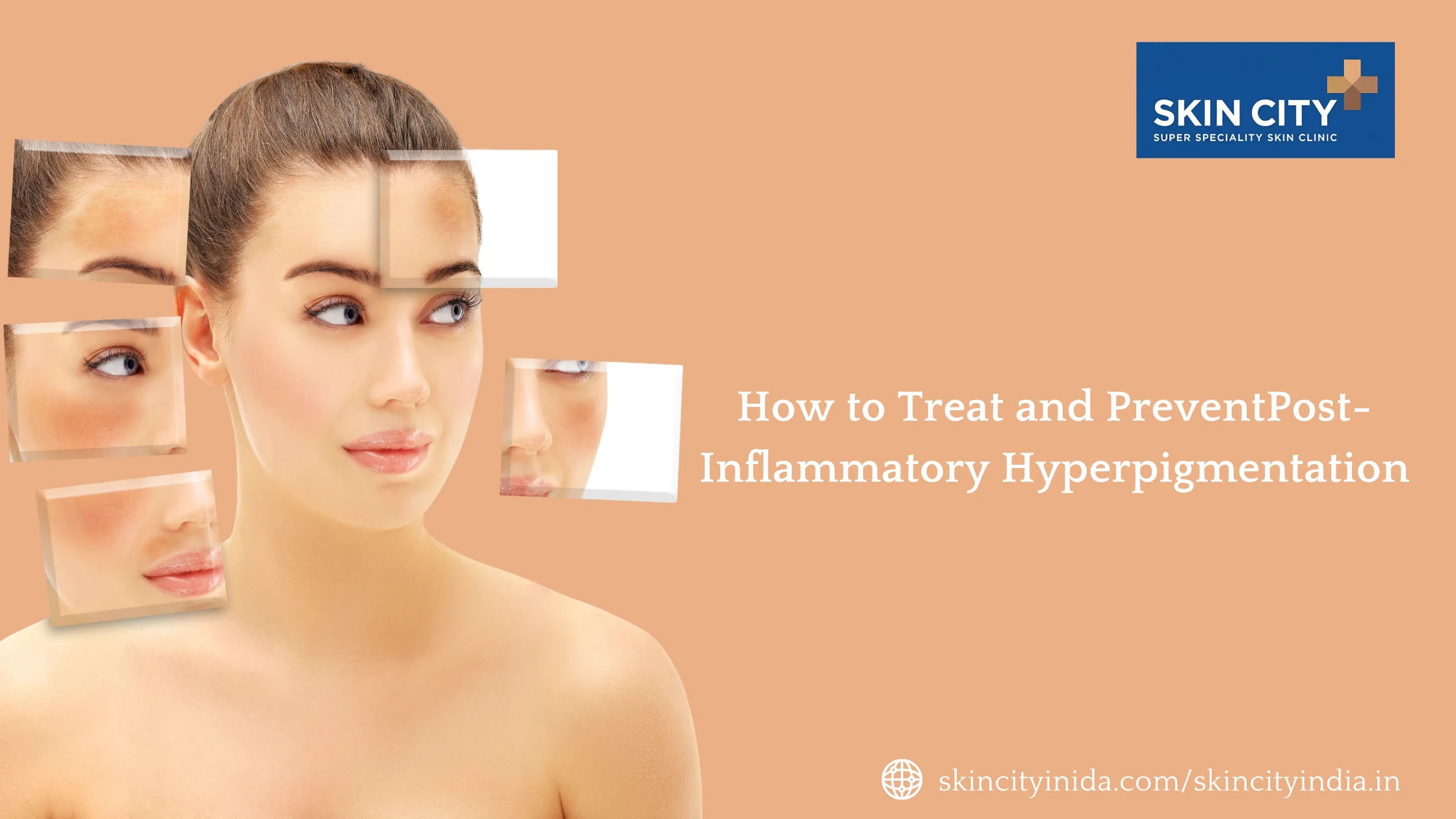
How to Treat and Prevent Post-Inflammatory Hyperpigmentation
Introduction
Hyperpigmentation is a
common skin condition where certain areas of the skin become darker than the surrounding
skin due to excess melanin. One of the most frequent types of hyperpigmentation is
post-inflammatory hyperpigmentation (PIH), which occurs after an injury or inflammation
of the skin, such as acne, eczema, or cuts. It is characterized by dark spots or patches
that can affect your skin tone and lead to uneven skin discoloration. At Skincity India,
we specialize in offering effective treatments and skincare solutions for dark spots,
skin discoloration, and hyperpigmentation prevention.
What Is Post-Inflammatory Hyperpigmentation?
Post-inflammatory hyperpigmentation is a type of skin discoloration that appears after
an injury or inflammation of the skin. The body’s natural response to inflammation often
results in the production of excess melanin, the pigment responsible for skin color,
which leads to the appearance of dark spots or patches.
Common causes of PIH include:
Acne breakouts: After the pimple heals, a dark mark may remain.
Injuries or cuts: Any form of skin trauma can trigger hyperpigmentation during
the healing process.
Sun exposure: When the skin is inflamed and exposed to the sun, it can exacerbate
the formation of dark spots.
Eczema or rashes: Skin conditions that cause inflammation can also lead to
post-inflammatory hyperpigmentation.
While it isn’t a harmful condition, PIH can cause a significant aesthetic concern,
especially for individuals with darker skin tones. However, with the right treatment,
post-inflammatory pigmentation can be treated and minimized effectively.
How to Treat Post-Inflammatory
Hyperpigmentation
There are several treatment options to help reduce the appearance of dark spots and
uneven skin tone caused by post-inflammatory hyperpigmentation. Here are the most
effective treatments:
1. Topical Treatments
Vitamin C: Known for its brightening properties, Vitamin C is an excellent
ingredient for hyperpigmentation treatment. It helps lighten dark spots, even out skin
tone, and protect against further sun damage.
Niacinamide: This powerful antioxidant can reduce melanin production and improve
skin texture, making it an excellent option for treating skin discoloration caused by
PIH.
Retinoids: Retinoids (like retinol) encourage skin cell turnover and help fade
dark spots by shedding the damaged skin layers. These are effective for both
hyperpigmentation prevention and treatment.
Alpha Hydroxy Acids (AHAs): AHAs like glycolic acid help exfoliate the skin,
removing dead skin cells and improving the appearance of uneven skin tone and dark
spots.
2. Chemical Peels
Chemical peels can help with post-inflammatory pigmentation by exfoliating the top
layers of the skin and stimulating collagen production. This process speeds up the
fading of dark spots and allows new, even-toned skin to surface.
3. Laser Treatments
Laser therapy can target dark spots and pigmentation directly, breaking up the excess
melanin. The Q-switched laser and fractional laser treatments are commonly used for
hyperpigmentation treatment, delivering effective results in fading dark marks.
4. Sunscreen
One of the most important steps in treating and preventing hyperpigmentation is
sunscreen. Exposure to the sun can worsen dark spots and increase melanin production. It
is crucial to apply a broad-spectrum SPF 30 or higher sunscreen daily, even if you’re
indoors.
3. Laser Hair Therapy
At Skincity, we offer Low-Level Laser Therapy (LLLT), a clinically proven treatment that
uses laser light to stimulate the scalp and promote hair regrowth. This non-invasive
therapy increases blood circulation to the hair follicles, improving the delivery of
nutrients to the scalp, which in turn enhances hair growth. Laser hair therapy is
suitable for both men and women with pattern baldness or thinning hair.
Avoid Picking or Scratching: Picking at acne or wounds can increase the chances
of developing post-inflammatory hyperpigmentation. Always avoid touching your face to
reduce inflammation and scarring.
Use Gentle Skincare Products: Harsh chemicals and rough scrubbing can irritate
the skin, leading to further inflammation. Opt for gentle cleansers and skincare
products designed for sensitive skin.
Early Treatment of Inflammation: Treat any skin inflammation, such as acne or
eczema, early to prevent hyperpigmentation from developing.
Stay Consistent with Your Skincare Routine: Consistency is key in reducing dark
spots and uneven skin tone. Incorporate ingredients like Vitamin C, retinoids, and
niacinamide into your skincare routine for long-term results.
Conclusion
At Skincity India, we offer expert care and treatment options for post-inflammatory
hyperpigmentation. Our team of dermatologists is dedicated to providing personalized
skincare solutions that target dark spots and skin discoloration while promoting a
healthy, even skin tone. Whether through topical treatments, laser therapy, or
professional chemical peels, we can help you address hyperpigmentation effectively and
prevent it from recurring.