
1. Understanding Causes & Effective Solutions
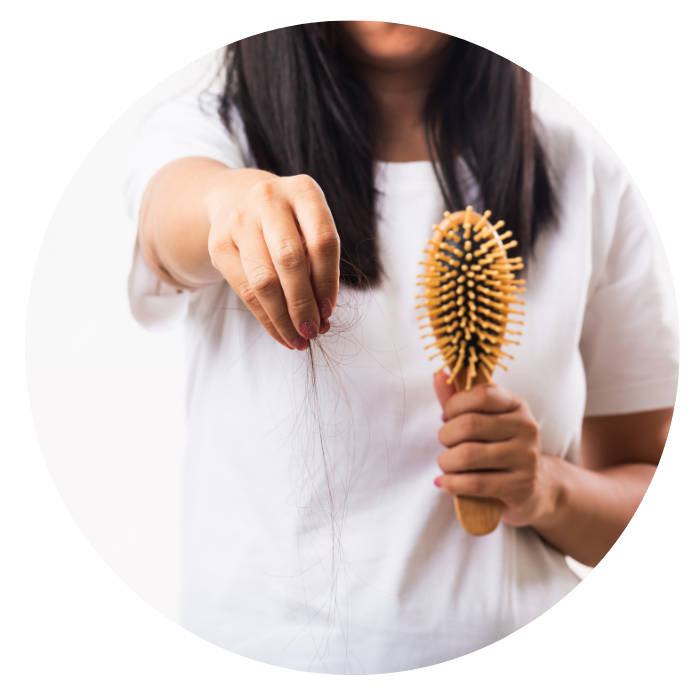
Hair fall is a common concern affecting both men and women. The primary causes of hair loss include:
Hormonal Imbalances – Excess Dihydrotestosterone (DHT) in males and hormonal fluctuations in females can lead to hair thinning.
Genetics & Family History – Androgenetic alopecia (pattern baldness) is hereditary and can affect individuals at any age.
Stress-Related Hair Loss – Chronic stress disrupts the hair growth cycle, leading to excessive shedding.
Nutritional Deficiencies – Lack of essential vitamins, minerals, and proteins weakens hair follicles, increasing hair fall risk.
2. Hormone-Sparing Treatments for Hair Fall
Hormones play a critical role in male and female hair loss. However, direct hormonal treatments can lead to side effects such as sexual dysfunction in men or hormonal imbalances in women.
Instead of hormonal treatments, hormone-sparing protocols focus on:
Cyclical Nutritional Therapy for hair follicle nourishment
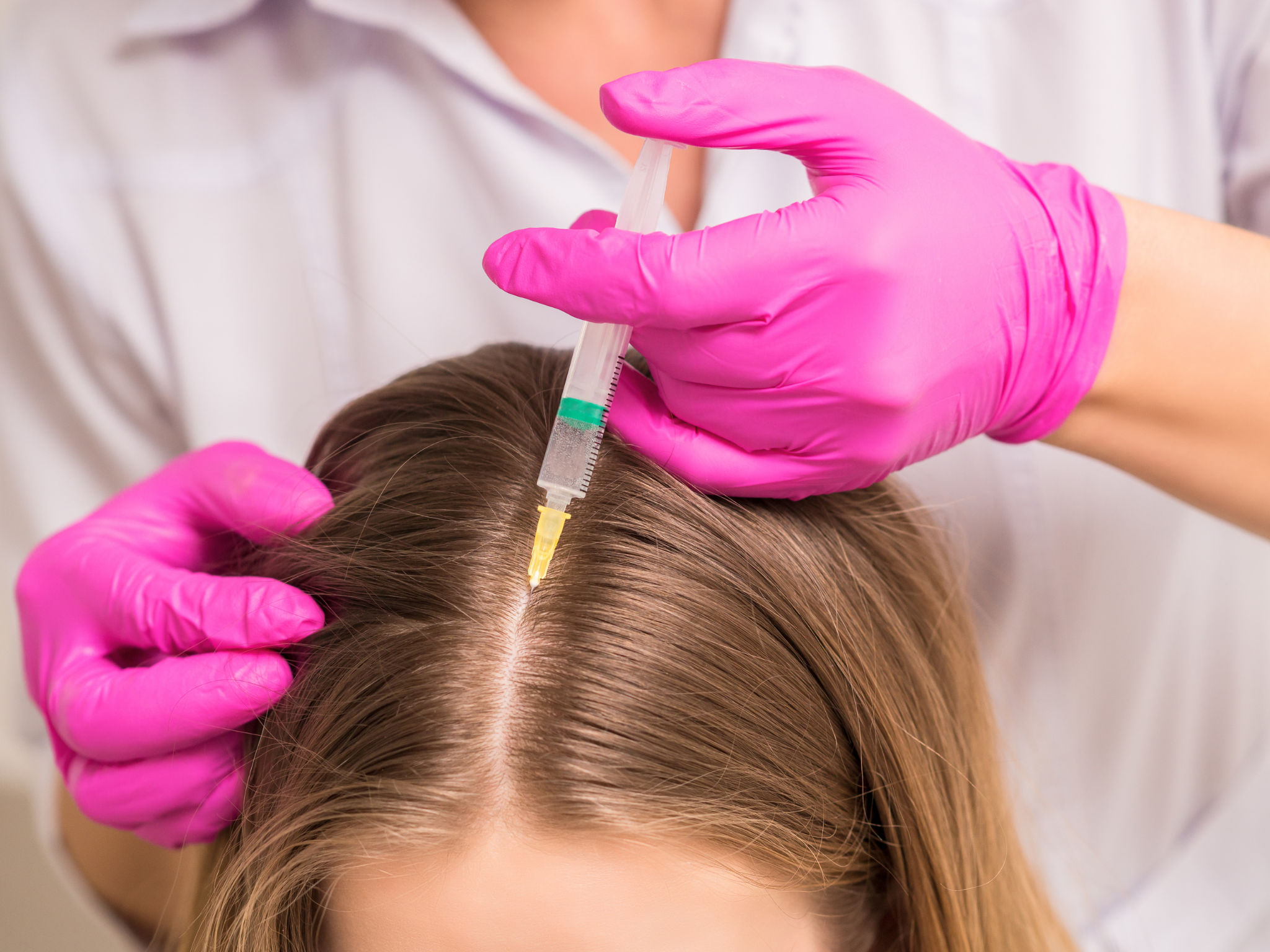
Localized Hair Root Injection Therapy for targeted scalp rejuvenation
Safe, non-invasive techniques for long-term hair growth
1. Nutritional Therapy & Cyclical Supplementation
Instead of providing fixed doses of nutrients, modern hair treatments focus on cyclical therapy, ensuring:
Balanced vitamin intake without overdose (hypervitaminosis)
Targeted hair-specific growth factors
Improved long-term hair follicle nourishment
Cyclical therapy has been proven to be safe and effective in reducing hair fall caused by nutritional deficiencies and metabolic imbalances.
Hormone-Sparing Treatments for Hair Fall
Hormones play a critical role in male and female hair loss. However, direct hormonal treatments can lead to side effects such as sexual dysfunction in men or hormonal imbalances in women.
Instead of hormonal treatments, hormone-sparing protocols focus on:
Cyclical Nutritional Therapy for hair follicle nourishment
Localized Hair Root Injection Therapy for targeted scalp rejuvenation
Safe, non-invasive techniques for long-term hair growth
3. Treating Pathological Hair Loss Conditions
Certain medical conditions can trigger severe hair loss, requiring specialized treatment:
Alopecia Areata – Autoimmune disorder causing patchy bald spots
Discoid Lupus Erythematosus (DLE) –Affects the scalp’s immune response, leading to scarring
Lichen Planopilaris (LPP) – Inflammatory scalp condition causing permanent hair loss
With advanced dermatological expertise, even challenging cases like Alopecia Totalis (complete baldness) have been successfully treated.