
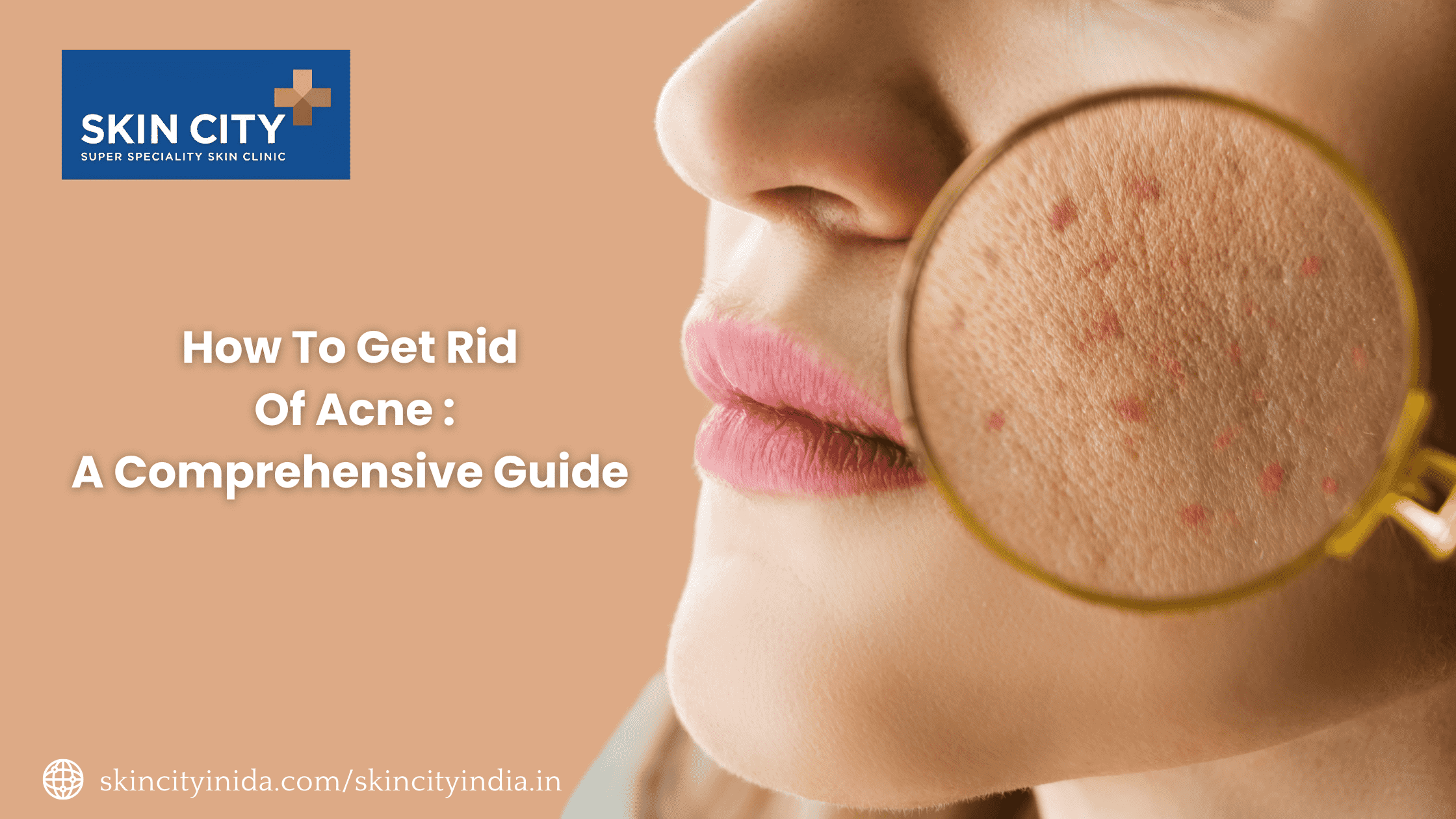
How to Get Rid of Acne: A Comprehensive Guide.
It’s the D-day you were waiting for, let’s say, it’s your dearest sister’s wedding or a most awaited party and an unwanted and uninvited guest knocks on your door. Not really it knocks but pushes itself to ruin your mood.Yeah…..you guessed it right, it’s our all-time unwanted friend pimple or acne who appears. uninvited to irritate us. To get rid of this uninvited guest we need to understand the basics of acne formation. Acne is a common skin condition that happens when tiny holes in your skin, called pores, get clogged with oil and dead skin cells. It often appears as pimples, blackheads, or whiteheads. Acne usually starts during the teenage years when hormones cause the skin to produce more oil. But guess what? This guest can haunt you at any age and not just in your teenage years. Let us understand who invites this annoying guest.
Excess Oil Production:
Your skin has tiny glands that make an oily substance called sebum. Sometimes, these glands produce too much sebum, which can clog your pores. Clogged Pores: When dead skin cells mix with excess oil, they can block your hair follicles (pores). This creates a good environment for acne-causing bacteria to grow. Bacteria: There are certain bacteria on your skin, and when they get into the clogged pores, they can cause redness, swelling, and pus – the signs of acne. Other factors like hormonal changes, genetics, and even some medications can also play a role in causing acne. But in simple terms, it's mostly about oil, clogged pores, and the bacteria on your skin.To go on with this concept, we need to understand the types of acne differentiated in medical terms. To begin with the most common ones, we have whiteheads, blackheads, papules, etc. and some severe types like cysts and fulminans which need immediate attention and treatment. Whiteheads: These are small, closed bumps on the skin's surface. They are clogged pores filled with trapped sebum (skin oil) and dead skin cells.
Blackheads:
Blackheads are similar to whiteheads but have open pores. The black colour comes from
the trapped oil and skin cells oxidizing when exposed to air.
Papules: Papules are small, red, and tender bumps. They do not contain pus but can be
sensitive to touch.
Acne Rosacea: This is a chronic skin condition that
causes redness and visible blood vessels, often on the face.
Acne Conglobata: This is a severe and uncommon form of
acne that causes interconnected nodules and abscesses. It can lead to severe
scarring.
Acne Fulminans: This is another rare and severe type of
acne that often comes with a sudden onset of painful nodules, pustules, fever, and joint
pain.
Horrified by these names and types?
But don’t worry.
Getting rid of acne involves a combination of good skincare practices and, in some
cases, medical treatment. Let’s see how to get rid of these unwanted guests,
effectively.The most important thing to do is to keep Your Skin Clean. Wash your face
with a gentle cleanser twice a day to remove excess oil, dirt, and dead skin cells.
Avoid scrubbing too harshly, as it can irritate the skin, by consulting a dermatologist
near you
Use Non-Comedogenic Products:
Choose skincare and makeup products labelled as "non-comedogenic" to prevent pore clogging. Touching Your Face is a big NO. Keep your hands away from your face to avoid transferring dirt and bacteria. Don't fondle your pimples or squeeze them, as popping pimples can worsen inflammation and lead to scarring. It's best to let them heal naturally. Maintain a healthy diet. A balanced diet with lots of fruits, vegetables, and whole grains can help support healthy skin. Drinking enough water can keep your skin hydrated. Try managing your Stress. High-stress levels can trigger acne or make it worse. Try stress-reduction techniques like exercise, meditation, or yoga. Over-the-counter Products: Consider using over-the-counter acne treatments with ingredients like benzoyl peroxide or salicylic acid. These can help with mild acne. But experimenting with your skin is not at all recommended so it’s better to take professional help by consulting a dermatologist. They can prescribe topical or oral medications like retinoids, antibiotics, or birth control pills for females. Making certain lifestyle changes can help prevent acne or reduce its severity. Let’s have a look over these changes. Cleanse your skin gently with a mild, fragrance-free cleanser to wash your face twice a day. After exercising or sweating, take a shower as soon as possible to remove sweat and oil from your skin.
Regular Exercise:
Exercise promotes good circulation, which is beneficial for the skin. Just be sure
to shower after workouts to remove sweat and bacteria.
Aim for 7-9 hours of quality sleep per night. Good sleep is essential for overall skin
health. Keep hair products away from your face and avoid oily or greasy hair products,
as they can contribute to acne.
Regular Skin Check: Pay attention to your skin and watch
for any reactions to new products or foods. This can help you identify potential
triggers.
If you have persistent or severe acne, consider consulting a dermatologist for
personalized advice and treatment options.
We need to understand that acne can be influenced by a combination of factors, including
genetics and hormones, so while lifestyle changes can help, they may not eliminate acne
for everyone. If your acne is particularly stubborn, a dermatologist can provide
professional guidance and treatment options. Thus professional help to get rid of this
unwanted guest is always recommended to restore the glow over your face and make you
party-ready.